How to Honour a Pet’s Memory During the Holidays
Sunday 7th, December 2025
The holiday period often involves changes to daily routines, increased social interaction, and greater focus on shared traditions. For people who have experienced the loss of a pet, these changes can make the absence of familiar routines more noticeable. Deciding whether or how to honour a pet’s memory during the holidays is a personal matter, with no expectation to follow any specific approach.
Holidays are often linked to activities repeated at the same time each year. When a pet was previously part of those activities, their absence may be felt more clearly. Recognising this change is commonly described in grief research as part of the adjustment process. Some people choose to acknowledge the loss privately, while others prefer not to engage with it during this period.
Physical items are often used to represent memories of a pet. Photographs, collars, identification tags, or paw prints may be kept in a particular place within the home. During holiday periods, these items may be displayed, stored, or temporarily included among seasonal decorations, depending on personal preference. Their use generally reflects remembrance rather than an attempt to replicate past routines.
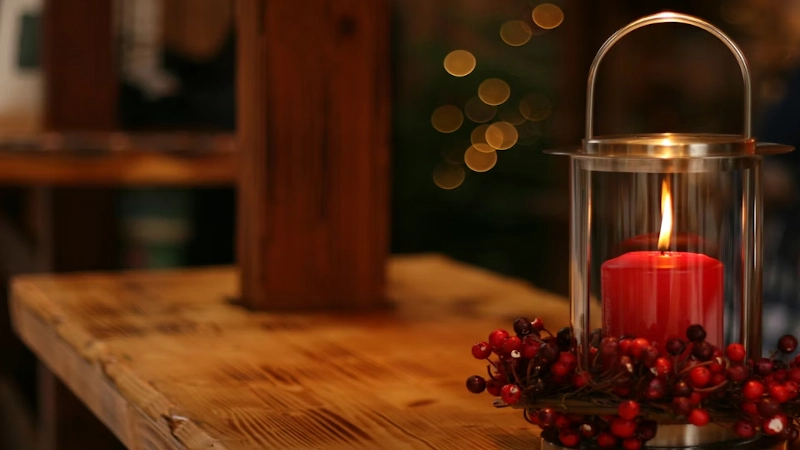
Some individuals adopt simple actions during holiday periods to acknowledge a pet’s memory. Examples include lighting a candle, placing a specific decoration, or setting aside a brief period for reflection. These practices are usually short and flexible and may change or be discontinued over time. There is no expectation that they are repeated every year.
Another approach involves supporting animal welfare or related causes. This may include donating items, making financial contributions where possible, or assisting organisations that work with animals. These actions are typically intended as acknowledgement rather than substitution and may or may not be repeated in future years.
In households where several people shared responsibility for a pet, remembrance may involve discussion or individual decision making. Children may respond differently depending on age, experience, and understanding. Guidance commonly recommends clear communication and allowing children to express their responses in ways suitable for their development. Participation in shared activities is not required for all family members.
Holiday gatherings can prompt questions or comments about pets, particularly if a pet was present at previous events. Some people choose to prepare brief responses in advance, while others prefer not to discuss the topic. Both approaches are widely regarded as appropriate. Setting personal boundaries around conversations related to loss is a recognised coping strategy.
Responses to loss often vary and may change across different holiday periods. Some individuals maintain the same form of remembrance, while others adjust or stop activities as circumstances change. The absence of specific actions does not indicate diminished attachment or disregard for a pet’s memory. Such variation is consistent with findings from grief support research.
There is no defined method for honouring a pet’s memory during the holidays. Practices range from private acknowledgement to symbolic observance or support for animal related causes. Choices may differ over time and between individuals or cultural contexts. Deciding how to approach remembrance remains a personal choice rather than a social expectation.
This content is not a substitute for medical advice. If you need help, you should reach out to a professional.
Holidays are often linked to activities repeated at the same time each year. When a pet was previously part of those activities, their absence may be felt more clearly. Recognising this change is commonly described in grief research as part of the adjustment process. Some people choose to acknowledge the loss privately, while others prefer not to engage with it during this period.
Symbolic items and personal objects
Physical items are often used to represent memories of a pet. Photographs, collars, identification tags, or paw prints may be kept in a particular place within the home. During holiday periods, these items may be displayed, stored, or temporarily included among seasonal decorations, depending on personal preference. Their use generally reflects remembrance rather than an attempt to replicate past routines.
Seasonal observances
Some individuals adopt simple actions during holiday periods to acknowledge a pet’s memory. Examples include lighting a candle, placing a specific decoration, or setting aside a brief period for reflection. These practices are usually short and flexible and may change or be discontinued over time. There is no expectation that they are repeated every year.
Actions in memory of a pet
Another approach involves supporting animal welfare or related causes. This may include donating items, making financial contributions where possible, or assisting organisations that work with animals. These actions are typically intended as acknowledgement rather than substitution and may or may not be repeated in future years.
Family considerations
In households where several people shared responsibility for a pet, remembrance may involve discussion or individual decision making. Children may respond differently depending on age, experience, and understanding. Guidance commonly recommends clear communication and allowing children to express their responses in ways suitable for their development. Participation in shared activities is not required for all family members.
Social situations during holidays
Holiday gatherings can prompt questions or comments about pets, particularly if a pet was present at previous events. Some people choose to prepare brief responses in advance, while others prefer not to discuss the topic. Both approaches are widely regarded as appropriate. Setting personal boundaries around conversations related to loss is a recognised coping strategy.
Responses to loss often vary and may change across different holiday periods. Some individuals maintain the same form of remembrance, while others adjust or stop activities as circumstances change. The absence of specific actions does not indicate diminished attachment or disregard for a pet’s memory. Such variation is consistent with findings from grief support research.
There is no defined method for honouring a pet’s memory during the holidays. Practices range from private acknowledgement to symbolic observance or support for animal related causes. Choices may differ over time and between individuals or cultural contexts. Deciding how to approach remembrance remains a personal choice rather than a social expectation.
This content is not a substitute for medical advice. If you need help, you should reach out to a professional.