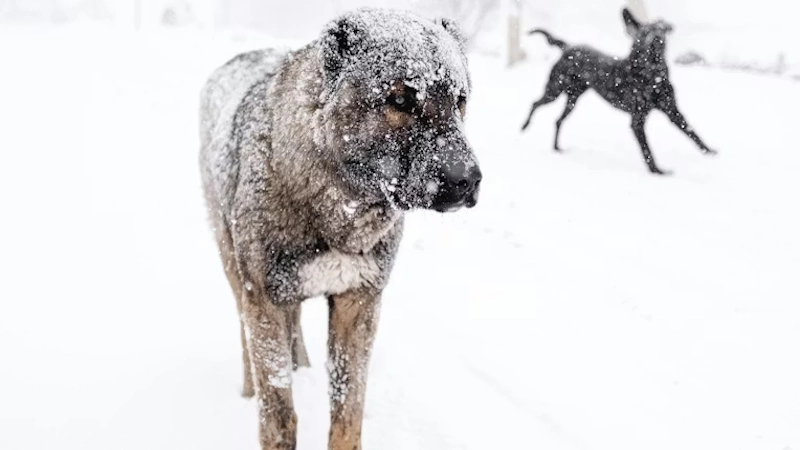
Caring for Animals in Prolonged Cold Conditions
Sunday 4th, January 2026
Cold Weather Grips Outdoor Animals
When a prolonged period of cold weather affects an area, with repeated overnight frosts and low daytime temperatures it can place additional pressure on animals living outdoors. Animal welfare organisations report that sustained cold increases the risk of hypothermia, frostbite and dehydration among pets, livestock and wildlife. Frozen ground and reduced natural food sources make survival more difficult, particularly for smaller animals and those already in poor health.
Veterinary professionals explain that animals lose body heat more quickly in cold and damp conditions, especially when exposed to wind or draughts. In rural and suburban areas, residents have reported seeing wildlife closer to homes, sheds and roads, likely drawn by shelter and available food. Such behaviour is considered a natural response to harsh weather, though it can be unexpected for people unaccustomed to seeing animals during colder months.
Impact on Pets and Livestock
Animal welfare charities continue to stress that outdoor pets are especially vulnerable during freezing nights. Dogs and cats that normally remain outside may struggle to stay warm for extended periods, particularly overnight. Experts recommend bringing pets indoors whenever possible during cold spells. For animals that must remain outside, shelters should be dry, insulated and positioned away from draughts. Warm bedding such as straw or thick lining can help retain heat, while damp materials should be avoided.
Livestock farmers have also been advised to monitor animals closely. Shelters should provide protection from wind and moisture, and animals should be checked regularly for signs of cold stress. Frozen conditions can make animal movement more noticeable, with sounds carrying further across still fields and yards.
Guidance for Animal Care
Authorities and welfare organisations have issued practical advice to help protect animals during cold weather. Key recommendations include the following.
- Bringing pets indoors during freezing conditions whenever possible
- Providing warm dry bedding placed away from draughts and damp areas
- Ensuring constant access to fresh food and unfrozen drinking water
- Checking sheds garages and vehicles before closing them as animals may seek shelter inside
- Inspecting animals regularly for signs of cold stress injury or illness
- Avoiding unnecessary disturbance of wildlife that may be conserving energy
- Cleaning pets paws after coming indoors to remove salt and antifreeze residues
Seasonal Changes and Animal Behaviour
Wildlife specialists explain that winter conditions often bring subtle changes in behaviour that are less visible during warmer months. Animals may move less, remain hidden for long periods or seek shelter close to human structures. Shorter days, frozen landscapes and quiet surroundings can give familiar places a different atmosphere, marked by stillness and brief signs of activity. Experts emphasise that these changes reflect seasonal adaptation, highlighting how animals endure cold weather through caution, conservation of energy and careful use of shelter until conditions improve.