Pet Loss Support for the Elderly - Addressing the Unique Emotional Challenges Older Adults Face
Sunday 28th, September 2025
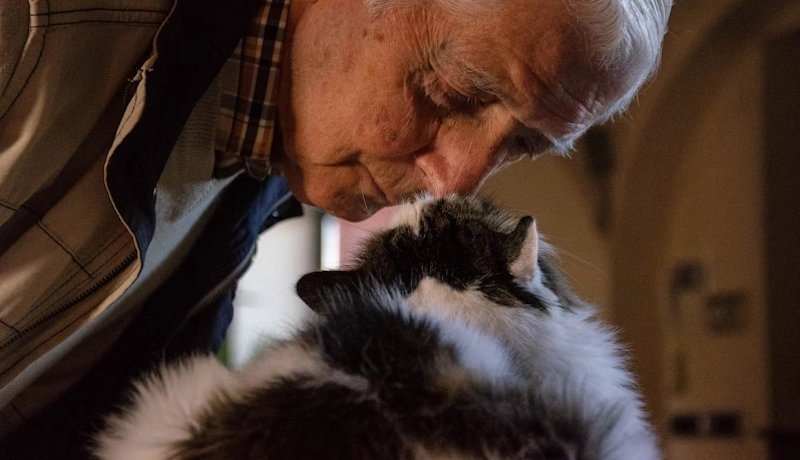
Losing a beloved pet can be one of the most painful experiences in life, and for the elderly, that grief can feel particularly profound. Pets often provide companionship, comfort, and a sense of purpose – especially for those who may live alone or have fewer daily social interactions. The bond between an elderly person and their pet can be incredibly deep, and when that pet passes, the loss can affect not only emotional health but daily routines and overall well-being.
For many elderly individuals, pets are more than animals - they are trusted companions, confidants, and sources of unconditional love. Losing a pet at this stage can bring unique challenges:
While grief cannot be rushed, there are gentle, supportive ways for the elderly to cope with the loss of a beloved pet:
It is important to know that support is available:
Memorialising your pet can bring a sense of closure and preserve cherished memories:
Grief is a natural and personal journey, and for the elderly, it is normal for the loss of a pet to feel especially profound. Allow yourself to feel, to remember, and to honour the love you shared. Reach out, share your story, and know that support is available. With compassion, patience, and connection, healing is possible - and the bond you shared with your pet will always remain a cherished part of your life.
Understanding the Unique Challenges
For many elderly individuals, pets are more than animals - they are trusted companions, confidants, and sources of unconditional love. Losing a pet at this stage can bring unique challenges:
- Loss of daily routine: Caring for a pet structures a person’s day. Feeding, walking, or simply spending time with a pet provides rhythm and purpose. The absence of this routine can leave a void.
- Heightened loneliness: Many elderly people rely on their pets for companionship, especially if family and friends live far away. Losing a pet can intensify feelings of isolation.
- Emotional and physical health impact: Grief can manifest physically as fatigue, sleep disturbances, or loss of appetite. It is important to recognise that grieving is a natural process that affects both mind and body.
Practical Coping Strategies
While grief cannot be rushed, there are gentle, supportive ways for the elderly to cope with the loss of a beloved pet:
- Create a meaningful tribute: Make a memory box with photos, favourite toys, or paw prints. Writing letters to your pet or sharing stories about your favourite moments can provide comfort.
- Maintain a routine: Even without a pet, try to preserve some structure in daily life. Regular walks, hobbies, or light exercise can help sustain a sense of purpose.
- Seek social support: Reach out to friends, family, or community groups. Sharing memories and feelings with others who understand can lighten the emotional burden.
- Express yourself creatively: Journaling, painting, or even planting a memorial garden can be therapeutic ways to process grief.
- Consider companionship options: If appropriate, volunteering at a local shelter, fostering pets, or joining a pet therapy programme can provide connection and healing.
Support Resources
It is important to know that support is available:
- Pet loss support groups: Many local and online communities welcome the elderly, offering a safe space to share feelings and memories.
- Grief counselling: Professionals experienced in pet loss can help navigate complex emotions and offer coping strategies tailored to older adults.
- Community programmes: Senior centres or local organisations often run programmes that connect the elderly with animals, helping maintain a sense of connection.
Honouring Your Pet’s Memory
Memorialising your pet can bring a sense of closure and preserve cherished memories:
- Photo albums or scrapbooks: Collect favourite pictures and mementos.
- Memorial plaques or stones: Place them in your garden or a favourite spot in your home.
- Small ceremonies: Light a candle, hold a moment of reflection, or gather close friends or family to celebrate your pet’s life.
Grief is a natural and personal journey, and for the elderly, it is normal for the loss of a pet to feel especially profound. Allow yourself to feel, to remember, and to honour the love you shared. Reach out, share your story, and know that support is available. With compassion, patience, and connection, healing is possible - and the bond you shared with your pet will always remain a cherished part of your life.